
Edition 38
RHTP Update:
We recently had a few more doors added to the badge scan system. We have incrementally added these security features to increase safety and ensure we keep the campus secure without any major inconveniences. This project was funded by the Year 1 Rural Health Transformation Program funding and is one of the first projects to be completed.
The Federal fiscal year ended on October 1st, but we have a lot more projects with the Year 1 Funds that are still on the way. We have some big projects including the dialysis machines and call system upgrade; IT investments in PC’s and network equipment; clinical purchases of a new portable xray, coag analyzer, vital sign towers, and a ventilator; and improvements to Cerner with AI dictation, and interfaces for blood glucose and vital signs allowing the data to flow into the system directly. In addition to all of those purchases we also have projects that are funded including a transition to a new Group Purchasing Organization, an audit of HR processes, and a revenue cycle audit.
We have attempted to select purchases and projects that will be the most impactful for making our work easier, improving patient care, or strengthening our financial performance.
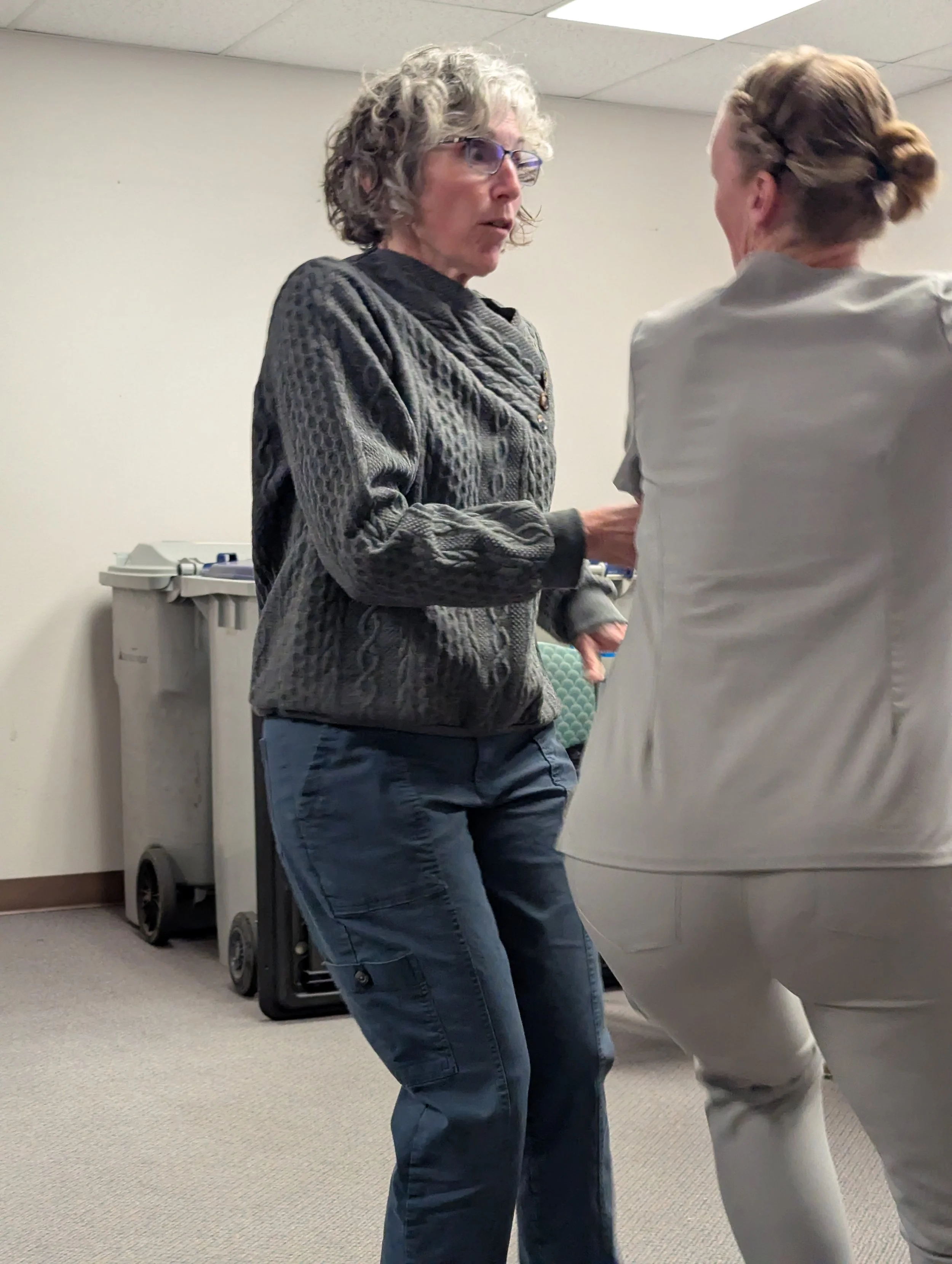
MOAB Training:
Earlier this month we launched our first Management of Aggressive Behavior Training in partnership with Mid Valley Hospital. The day was split into a morning session on de-escalation and threat awareness and an afternoon session for self defence training. We will discuss it further at next week’s Safety Meeting and Workplace Violence Prevention Committee but our intention is to roll out this training to all employees replacing previous programs like Verbal Judo and Handle with Care.
I found the content to be very engaging and useful. I also had a ton of fun watching Shawna attack Kristy:
Meal and Rest Breaks:
The HR, Accounting, and Payroll Teams are working on the first round of reporting as required by the 2023 hospital staffing law (SB 5236), and in particular are compiling the amount of meal and rest breaks that are missed, interrupted, or taken untimely. This is a well intentioned law to solve a real problem of frontline healthcare workers not being able to consistently take their breaks. Much of the attention goes to large urban hospitals, but smaller hospitals like NVH are also at risk for missed breaks, particularly as the smaller team makes one call-out or the increase of a few patients is harder to accommodate. Although this is particular law is focused on hospitals, our approach is the same our clinics and Extended Care:
All employees take their meal and rest breaks at the time they are scheduled and without interruption.
In the event a break is missed, untimely, or interrupted the break is rescheduled (when possible) or the employee is compensated for the missed time.
Provide the maximum amount of flexibility and autonomy for employees to schedule, combine, or waive breaks while complying with the laws.
Streamline the tracking, reporting, and inconveniences of breaks
I'm bringing up this topic primarily because of #4. I know there are complaints about all of the waivers, break schedules, UKG attestations, and general annoyance about all of the tools and mechanisms in place to ensure we meet our obligations as an employer. My impression is that some of this frustration is from employees that don’t view missed breaks as a problem or frequent occurrence which is good, but even though our overall compliance rate is good, we still have areas where we need to improve. Even if no one ever missed a break we would still have to do some form of data collection and attestations to provide the numbers for us to report. That said, our approach will likely continue to evolve to remove as much clunkiness from the process as possible. If you have any suggestions on how to make this easier, or one fundamental changes that would make it easier to take your breaks I would love to hear about it.

Good luck finding a nice pumpkin.